I’ve been singing this all week, as we’ve done so much about building of some kind over the last week.
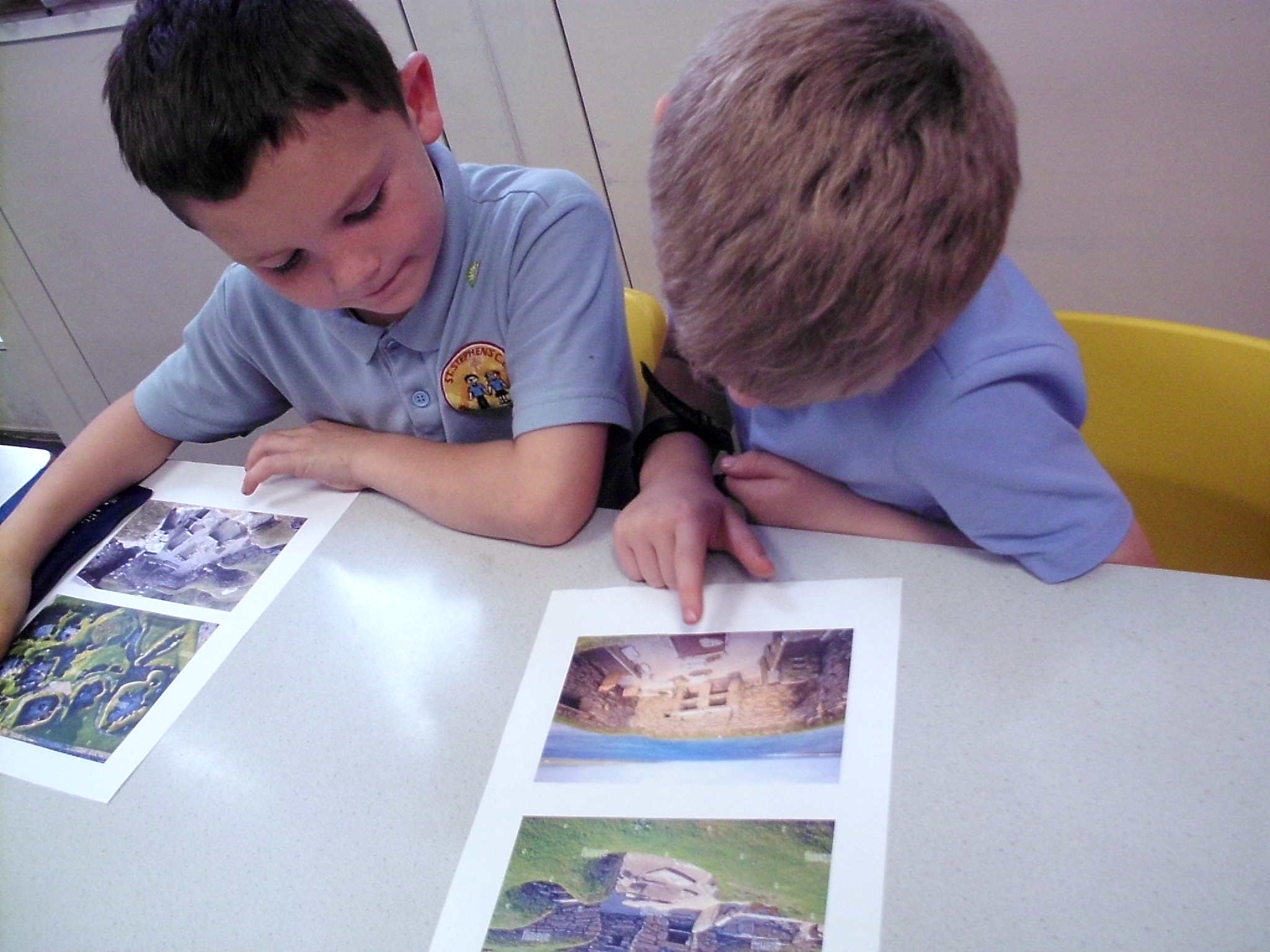
Our geography theme this term is settlements, and we can now tell the difference between a hamlet, village, town and a city. Last week we looked at Willington on a map as well as pictures of our area and we worked out, based on the evidence we could see, that Willington is a town. This week, we have found out how our town has changed over time. The earliest people who lived here, during Neolithic times, would have lived close to the river for water, close to woodland for shelter and to use the wood for things they needed. We have evidence around our area showing that Romans lived here, and we’ve talked about Binchester, the ruins of the bathhouse and other signs, such as long, straight roads and place names. We loved looking at photographs of Willington in the past, and comparing shops, roads and houses in the past to those we see today. Talk to your child about how, and why, Willington has changed over time. They should also be able to tell you about the structure of Neolithic houses.
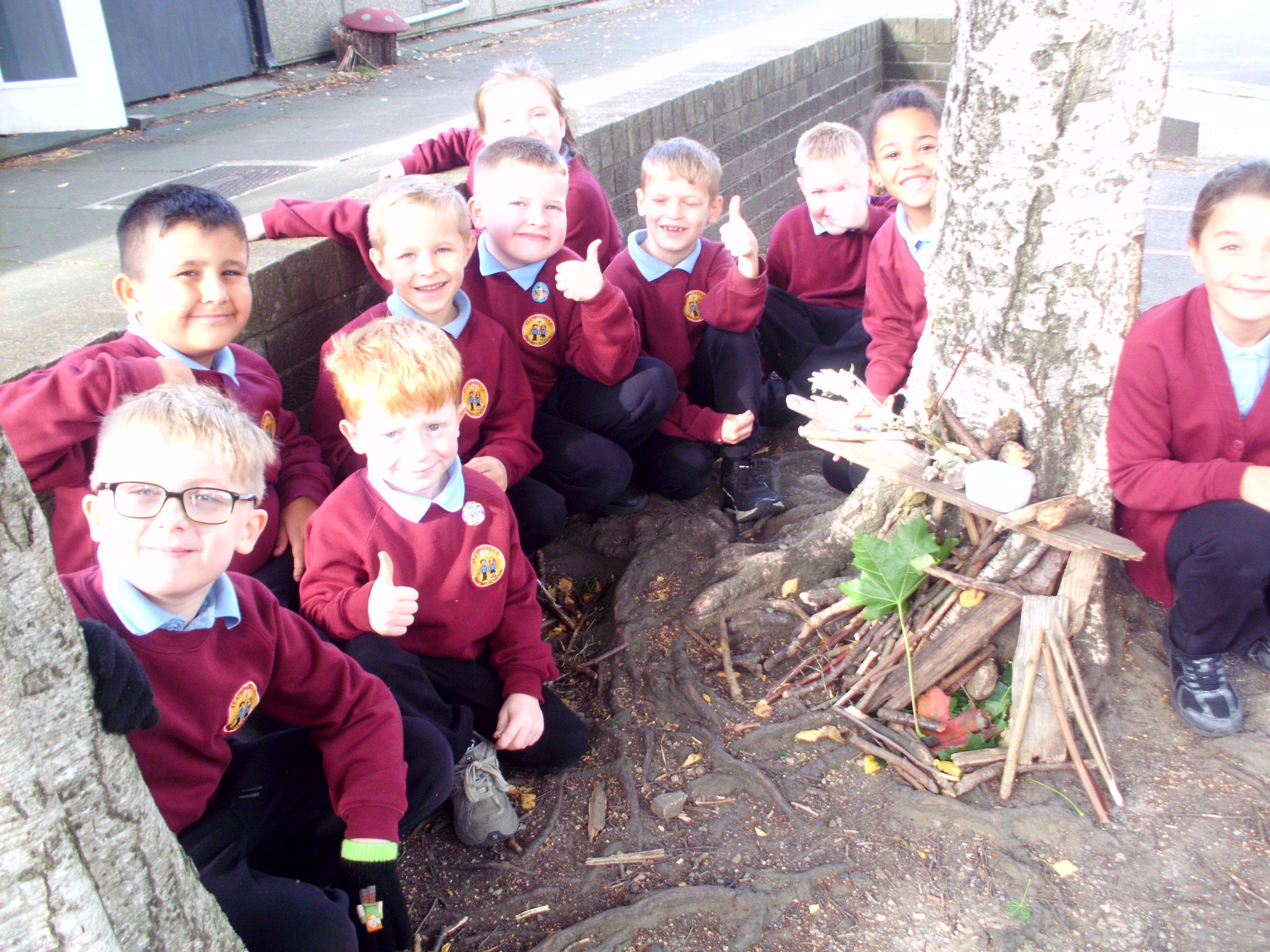
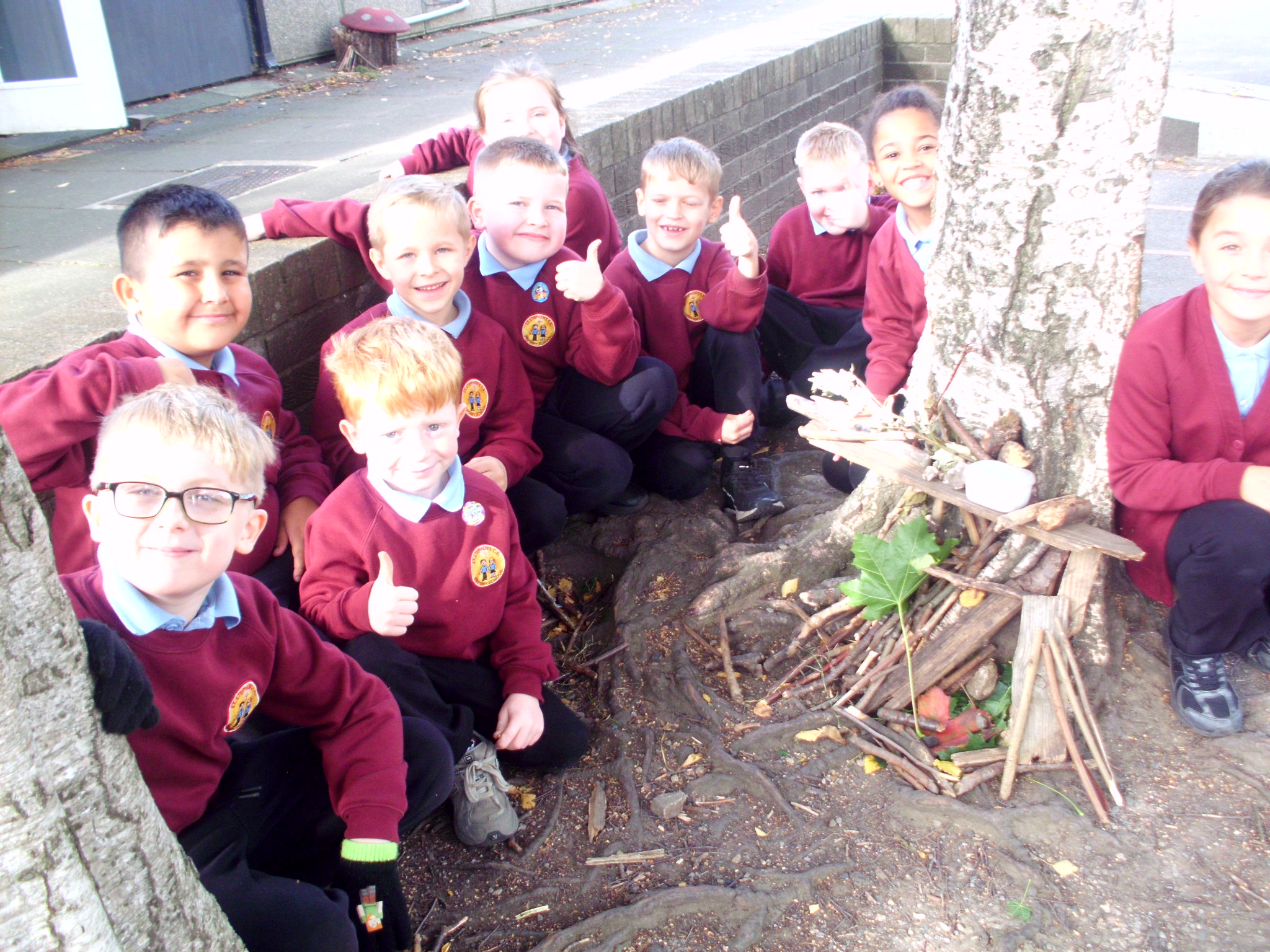
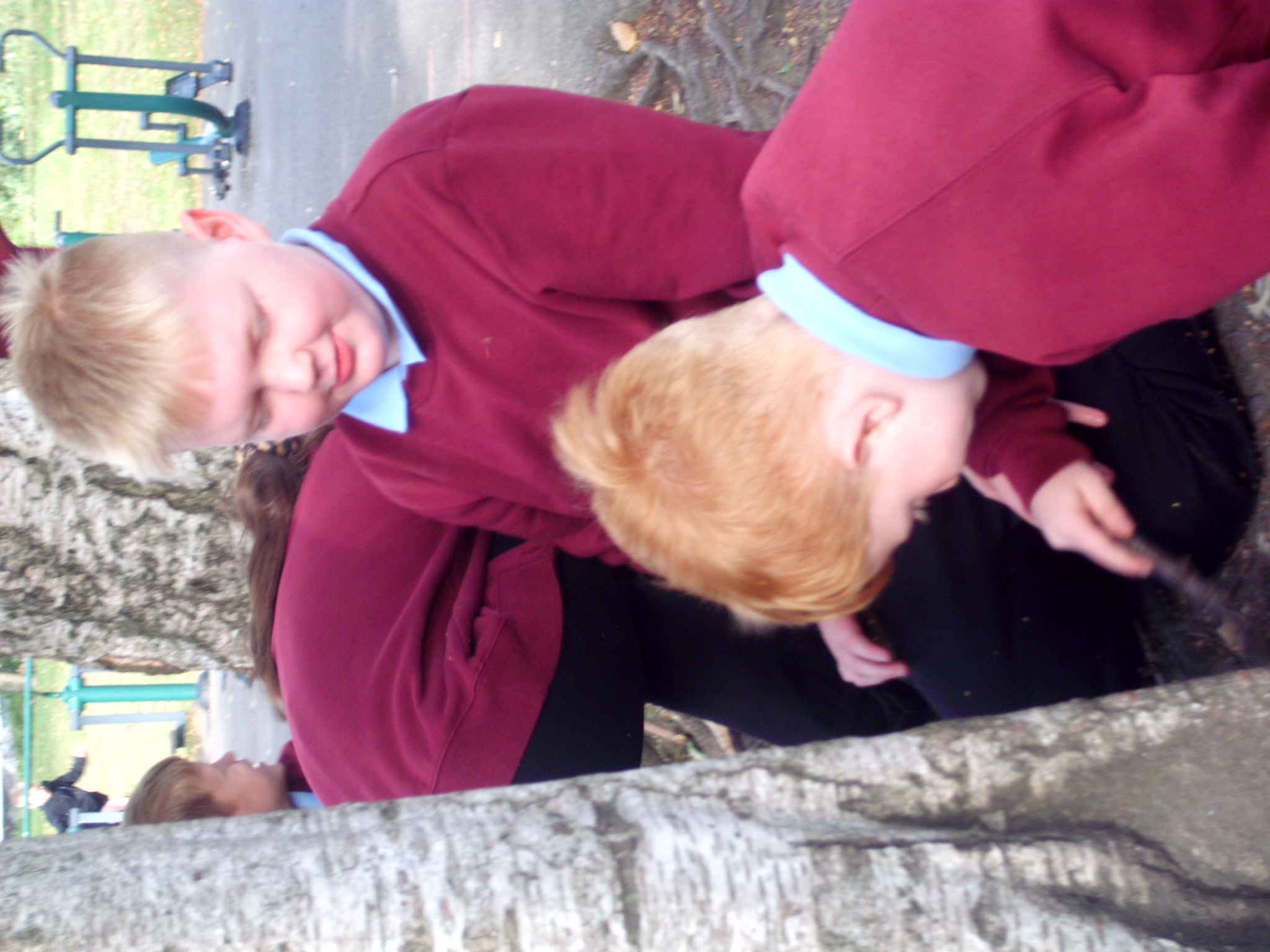
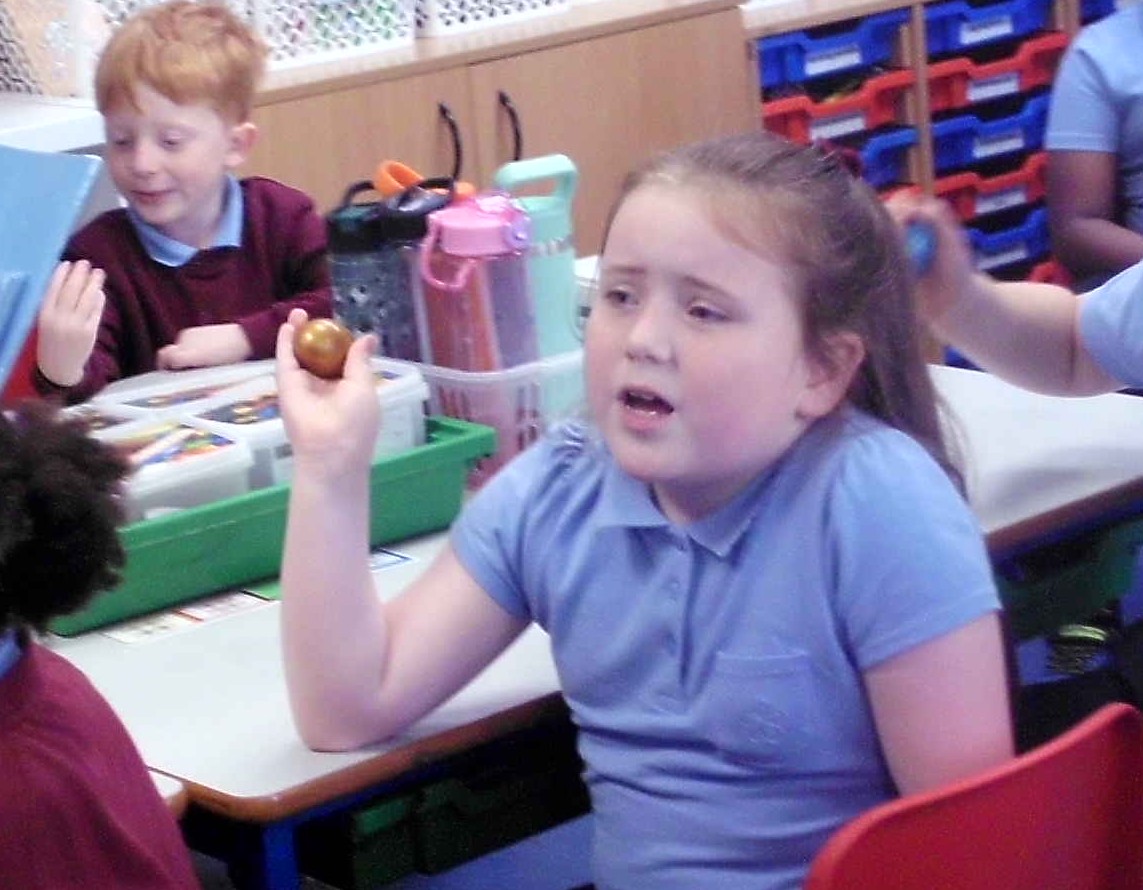
In science we are continuing our work on what goes on inside our bodies. We looked at the skeletal structure of humans last week and this week we have compared this to the skeletons of animals, looking for similarities and differences and suggesting why different animals require different characteristics in order to survive. We’re also looking at seasonal changes and the effects these changes have on our natural world and to ourselves. We’ve chatted about how different animals survive during the colder months, which are just ahead of us now, and how the living things around us are starting to prepare. To give our minibeasts a helping hand, children are constructing “Bug Houses” from natural materials. It is a joy to watch them planning and working together building “Bug City” and their creations are wonderful. We have some very dirty hands but very happy children and very happy bugs in Willington.
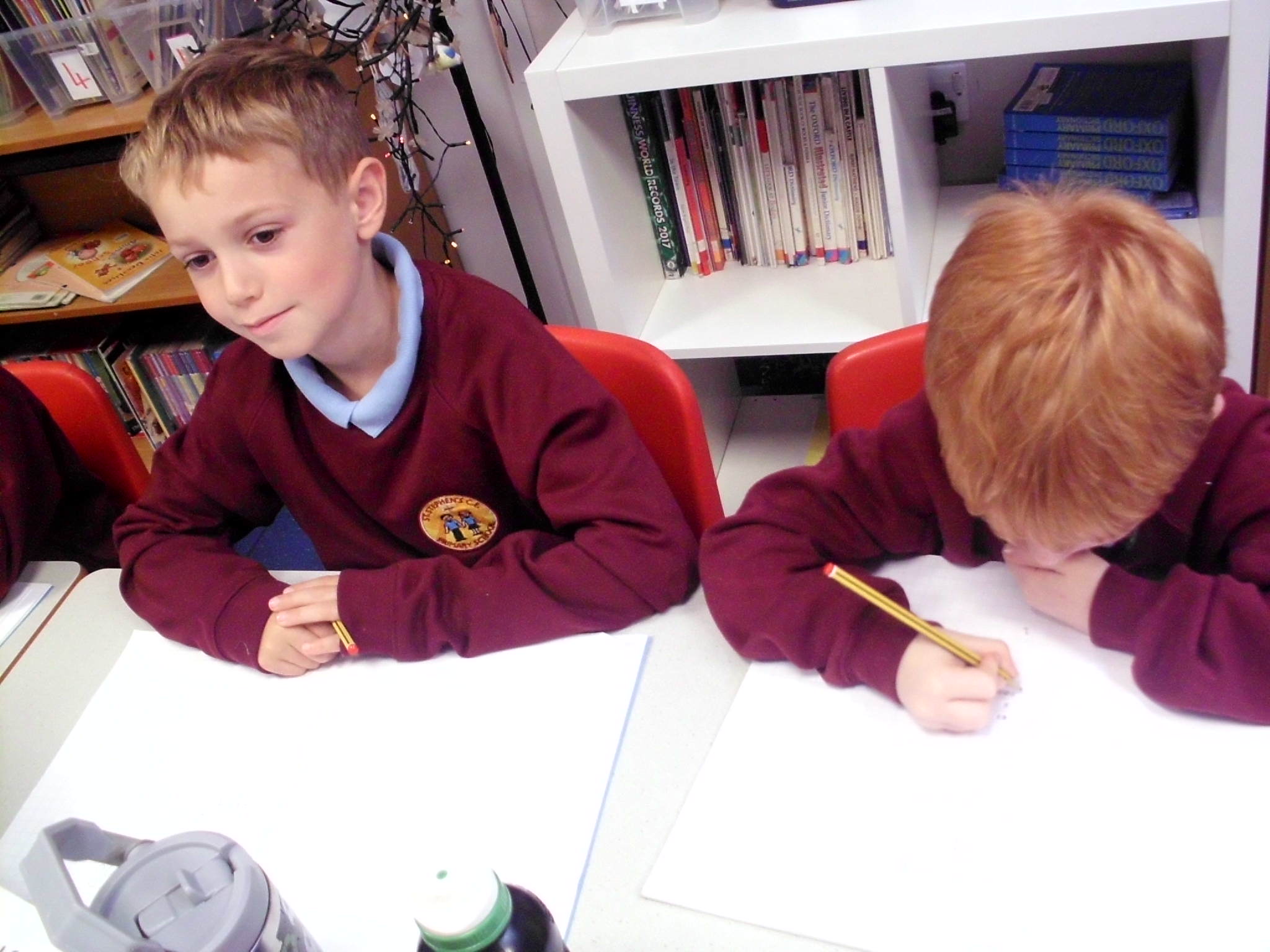
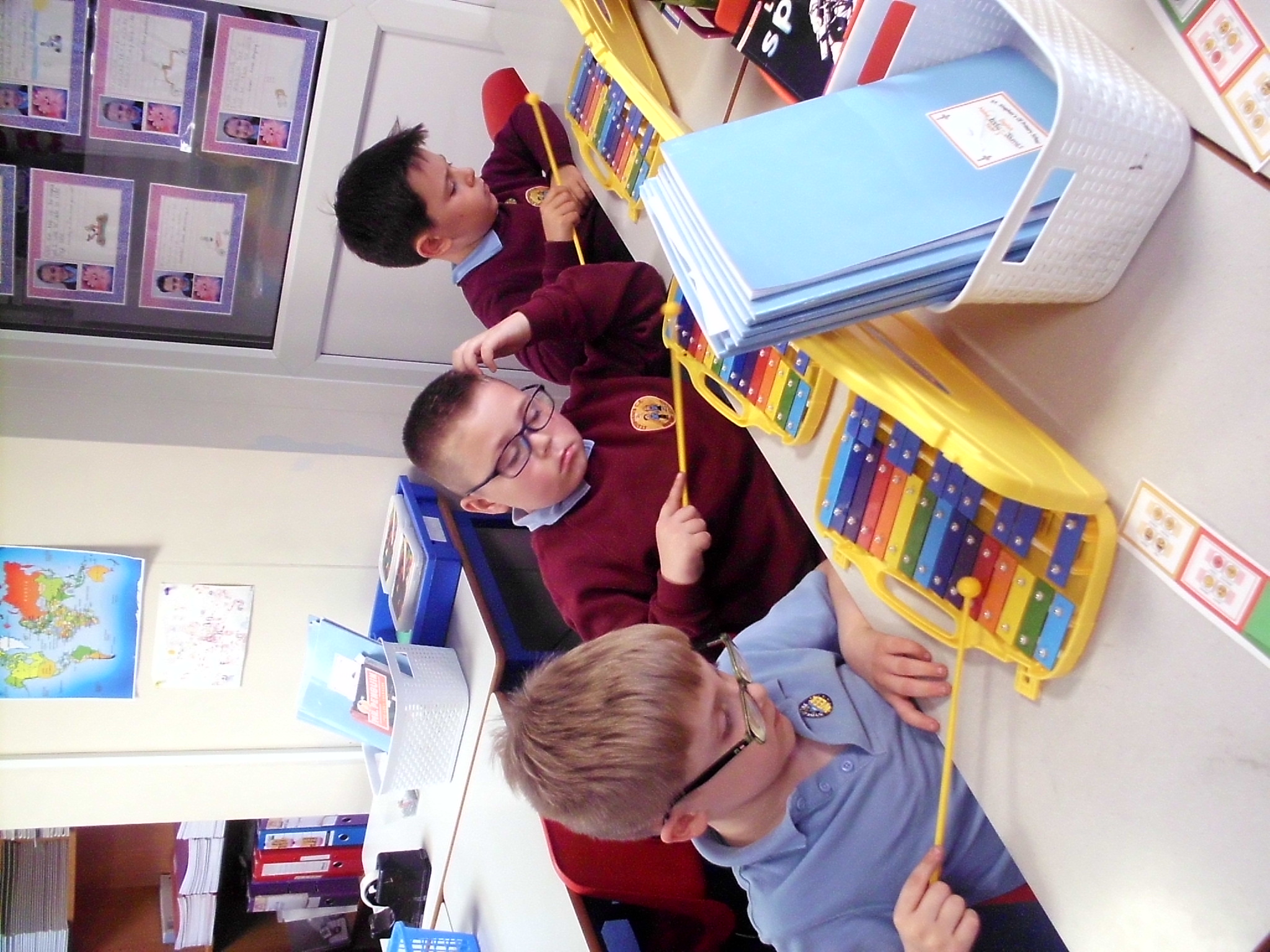
We do daily spelling work in year 3 and children are taught to spell a range of different words, looking at word families and spelling rules as well as “tricky” words which don’t follow any pattern at all. It never ceases to delight me when I observe how well children take to the learning of spelling, and they, in turn are delighted with their own progress. Ask your child about the hard words we can now spell, I hope you’ll be as impressed as I am. I’m so proud of them all. We’re working on addition and subtraction in maths, and looking for patterns in numbers, using known number facts to help us solve both addition and subtraction calculations. Practising number bonds at home (quick recall of number pairs to make a given number) will help with this. If children can learn the number facts for each number from 1 – 10, then calculation of bigger number problems becomes so much easier. Can children say all the addition facts for 5? (5 + 0, 4 +1, 2 + 3, and so on) Then, try and learn all the addition facts for 7,8, and 9. We can also now add two digit numbers to three digit numbers, which involves exchanging. Ask your child to explain this to you.
Now, happy singing, as I bet you’ve got that song stuck in your head too….
.JPG)
.JPG)